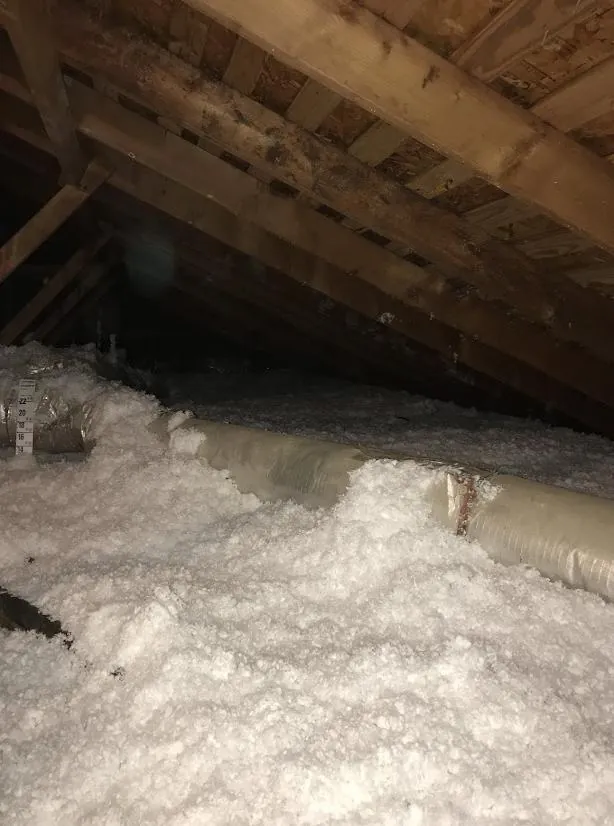
Insulation slows down heat. It doesn't stop air. In most older houses there are dozens of gaps where heated or cooled air slips into the attic: around chimneys, plumbing stacks, wiring holes, recessed lights and the tops of interior walls. Those leaks can undo a thick layer of insulation.
Air sealing is the fix. We find the leaks and close them with foam, caulk and sealants rated for each spot, then add or refresh insulation on top. Done right, it is one of the better upgrades for comfort in an older house.
Signs your attic leaks air
- There are dust trails or dirty insulation near wall tops and pipes
- Ice dams or uneven snow melt show up on the roof
- The upstairs is hard to keep comfortable all year
- You feel drafts around recessed lights or the attic hatch
- You added insulation before and it did not seem to help
How the job goes
Find the leaks
We look at the top plates, chimneys, flues, pipes, wires, the hatch and the recessed lights.
Pick the right seal
Fire-rated material goes near flues and chimneys. Foam or caulk goes elsewhere.
Seal them
We close the gaps one at a time from the attic side.
Add or adjust insulation
New insulation goes over the sealed areas without blocking ventilation.
Go over it with you
We point out what we sealed and what we left alone.
What it does for you
Insulation works better
Stopping air movement lets the insulation do its job.
Steadier temperatures
Fewer leaks means less hot or cold air moving through the house.
Less dust and drafts
Sealing cuts the outside air and attic dust coming into your rooms.
What affects the job
Air sealing is detective work. The job depends on how many leaks there are and how hard they are to reach. A clean attic with clear access to the top plates is straightforward. An attic with old insulation covering everything means we have to find the leaks under it first.
We look for the usual suspects: gaps around chimneys and flues, wiring and plumbing holes, dropped-ceiling bulkheads, attic hatches and recessed lights. Each needs a different material, since anything near a flue needs a heat-rated seal. Where we can, we seal before insulating, because covering leaks only hides them. We will tell you which leaks matter most so your budget goes where it helps.
Where we do this work
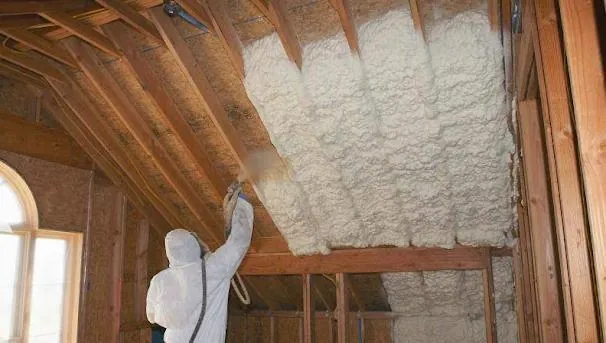
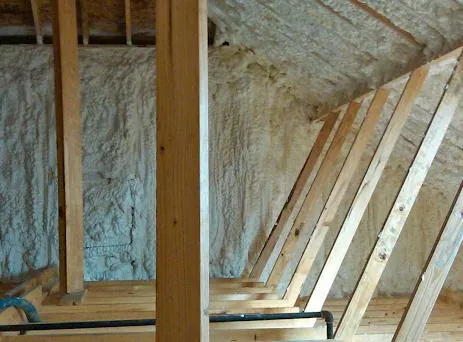
We provide attic air sealing throughout Elizabeth, including Elizabethport, Downtown Elizabeth, Midtown, North Elizabeth, Elmora and the surrounding area, and in nearby towns such as Hillside, Roselle, Roselle Park, Union, Linden. Once the leaks are closed, add blown-in attic insulation on top, or choose spray foam insulation to do both jobs in one pass.
Common questions
Is air sealing the same as insulation?
No. Insulation slows heat flow. Air sealing stops leaks. They work best together.
Will it make my house too airtight?
In most older houses, no. We keep ventilation and combustion air in mind.
Do you seal around chimneys and flues?
Yes, with materials rated for heat and fire where required.
Should I seal before adding insulation?
Yes, that is the right order. Seal first, then insulate.